Famous Colors, Decoded: The Hex Codes Behind Brands You Know by Heart
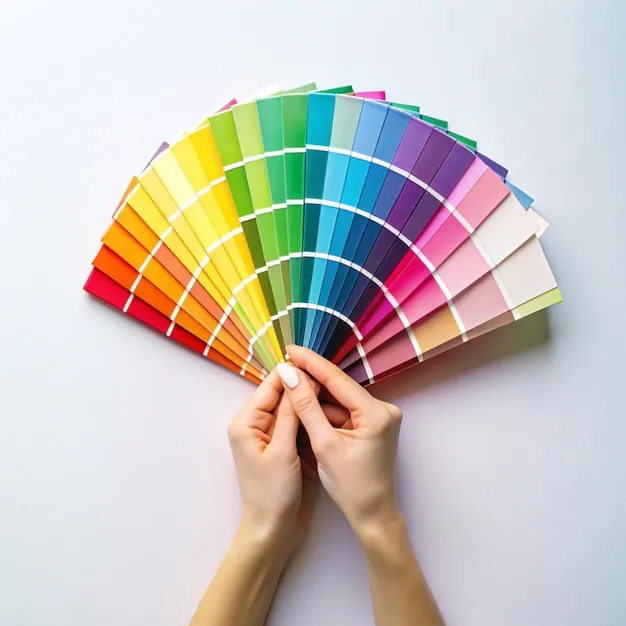
Photo: color swatch fan with paint samples flat lay, via img.freepik.com
Some colors don't need a name. Show a designer a robin's egg blue box and they'll say "Tiffany" before you finish the sentence. Pour something into a red can and half the planet thinks Coke. These shades have escaped their original contexts and become cultural shorthand — and every one of them has a hex code.
Consider this your museum tour. No ticket required, flash photography encouraged.
Tiffany Blue — #0ABAB5
The most famous blue-green in the world dates back to 1845, when Charles Lewis Tiffany picked it for his newly published "Blue Book" catalog. It's widely believed to be a nod to the turquoise jewelry that was fashionable in Victorian America. Today it's a trademarked color, so while you can absolutely use #0ABAB5 in a mood board, don't go slapping it on jewelry packaging and calling it a day.
Designer note: it pairs beautifully with crisp white and warm grays, which is exactly why it photographs so well.
Coca-Cola Red — #F40009
Coke's red is so specific that the company has reportedly claimed — half-jokingly — that it's the only red Coca-Cola is allowed to be. The shade traces back to the late 19th century, when barrels of alcohol were painted red so customs officials could distinguish them from soda barrels. The hex most often cited is #F40009: a red so saturated it practically vibrates on screen.
TARDIS Blue — #003B6F
Doctor Who's time machine is "bigger on the inside," and its paint job is bigger than any one hex code — fans have debated the exact shade for decades. The most commonly referenced value, #003B6F, is a deep police-box blue that reads almost navy at night. Perfect for anyone building a sci-fi landing page who wants that unmistakable late-night BBC vibe.
UPS Brown — #644117
Pull up and deliver: UPS's brown comes straight from Pullman railroad sleeping cars, chosen in 1916 because the color signified luxury, class, and — practically speaking — hid dirt. #644117 is a rich, earthy brown that works surprisingly well as a neutral in modern palettes, especially alongside cream and gold accents.
Barbie Pink — #E0218A
Hot pink went global all over again after the 2023 movie, but Pantone officially assigned "Barbie Pink" back in 2010. The hex equivalent most designers use is #E0218A — a magenta-leaning pink that demands attention and refuses to apologize for it. Use it when you want a call-to-action that people can hear.
John Deere Green — #367C2B
Rural America's favorite green isn't a subtle sage — it's a strong, agricultural green built to stand out in a field and on a dealership lot. #367C2B is the shade fans and fan wikis have settled on, and it's a masterclass in a color meaning exactly one thing to exactly everyone.
Cadbury Purple — #482683
Purple was royalty's color long before chocolate got involved, and Cadbury has leaned into that heritage since the late 1800s. The company guarded its purple so fiercely that it spent years in trademark disputes over the exact shade. #482683 is a deep violet that feels indulgent without tipping into neon.
Little Pink Houses and Other American Icons
A few honorable mentions for your swipe file:
- Wrigley Field Ivy — roughly #2E5A27, the green that's been swallowing the outfield walls since 1937
- Golden Gate Bridge "International Orange" — #C0362C, chosen partly because it looks great in San Francisco fog
- Home Depot Orange — #F96302, possibly the most recognizable orange in retail
- Twitter Blue (classic era) — #1DA1F2, now a nostalgic relic
Why Any of This Matters for Your Work
Beyond trivia-night bragging rights, famous colors are useful case studies in commitment. Every brand on this list picked a shade and then defended it for decades. That consistency is what turned a paint swatch into an asset.
If you're building a palette for a client, study these hex codes less for their values and more for their discipline. One memorable color, applied relentlessly, beats a rainbow applied randomly. And if you ever need to tell a client your proposed teal is "Tiffany-adjacent" — now you have the hex to back it up.